15 multimodal datasets
to know in 2026

Multimodal datasets combine multiple data types like text, images, audio, video, genomics, and clinical data to create richer AI training resources. These datasets are crucial for multimodal deep learning, which requires integrating multiple data sources to enhance performance in tasks such as image captioning, medical diagnostics, scientific discovery, autonomous systems, and cross-modal analysis.
Professionals working with multimodal data need access to high-quality datasets that provide the comprehensive information required for training sophisticated AI models. The datasets featured in this guide represent the most valuable resources available for advancing multimodal machine learning research and applications across computer vision, natural language processing, and life sciences.
What is a multimodal dataset?
A multimodal dataset contains information from multiple data modalities such as text, images, audio, video, genomics, clinical records, and sensor data. Multimodal datasets bring different modalities together, helping researchers build AI models that can understand complex environments and reason across multiple information sources.
Multimodal datasets are the digital equivalent of our senses. Just as we use sight, sound, and touch to interpret the world, these datasets combine various data formats to offer a richer understanding of content and enable more sophisticated analysis.
Multimodal datasets enable AI systems to process information more holistically by combining complementary data types. This approach mirrors human cognition, where we naturally integrate information from multiple sources to understand our environment.
| Dataset | Size | License | Authors | Ideal for |
|---|---|---|---|---|
| TCGA | 20K+ samples, 2.5 PB | Open access | NCI/NHGRI | Cancer genomics |
| CLEVR | 1M images + questions | BSD | Johnson et al. | Visual reasoning |
| WIT | 37.6M image-text pairs | CC BY-SA 3.0 | Srinivasan et al. | Multilingual learning |
| LAION-5B | 5.85B image-text pairs | Various | LAION collective | Large-scale training |
| MS COCO | 330K images | CC BY 4.0 | Microsoft | Object detection |
| VQA | 265K images + questions | CC BY 4.0 | Antol et al. | Question answering |
| MIMIC-IV | 400K+ admissions | PhysioNet License | Johnson et al. | Healthcare AI |
| UK Biobank | 500K+ participants | Approved access | UK Biobank | Population health |
| Human Cell Atlas | Millions of cells | Open access | HCA Consortium | Single-cell biology |
| TCIA | 30M+ images | Various | Clark et al. | Medical imaging |
| MLOmics | 8,314 cancer samples | Open access | Chen et al. | Cancer ML |
| Kinetics-700 | 650K video clips | YouTube ToS | Carreira et al. | Action recognition |
| Flickr30k | 31K images + captions | Academic use | Young et al. | Image-text retrieval |
| ENCODE | 1,600+ experiments | Open access | ENCODE Consortium | Gene regulation |
| Allen Brain Atlas | Multi-brain regions | Open access | Allen Institute | Neuroscience |
To analyze multimodal datasets, specialized platforms and tools are required that can handle the complexity of multiple data types simultaneously. Tile.ai makes multimodal data AI-ready in place: each source becomes a Tile that carries the operations its own format needs, so genomics, imaging and clinical records are queried where they already live, in any format, with no pipelines and no copies.
1) TCGA (The Cancer Genome Atlas)
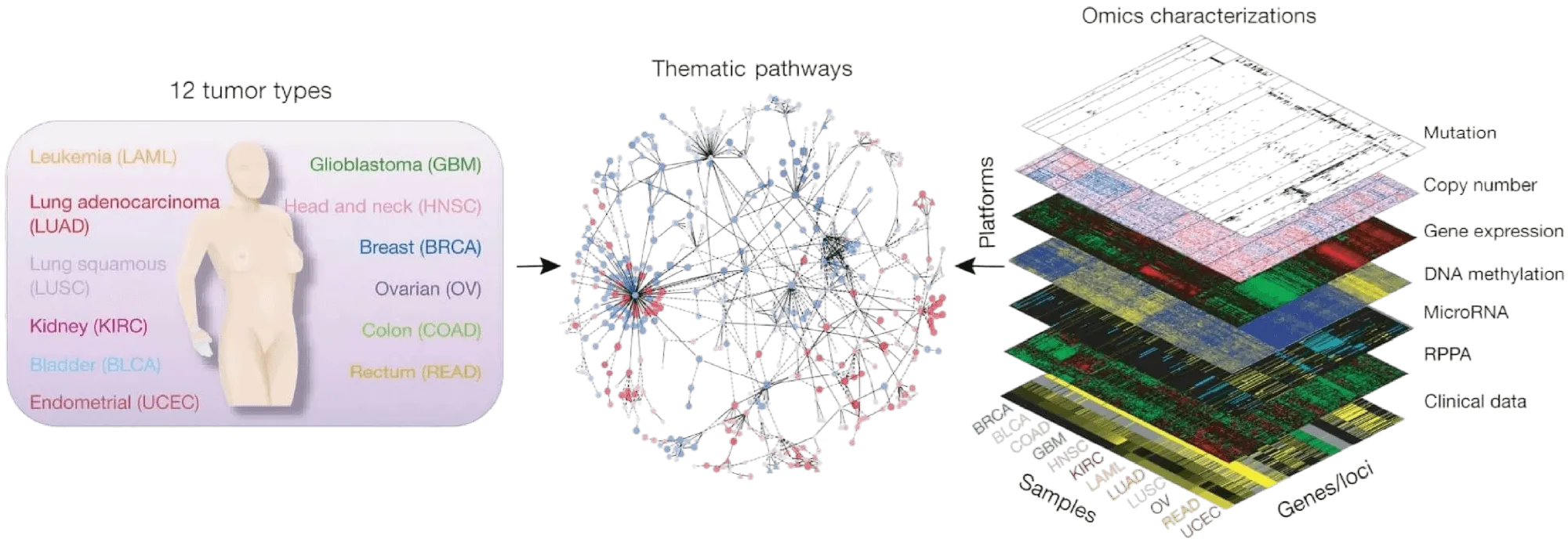
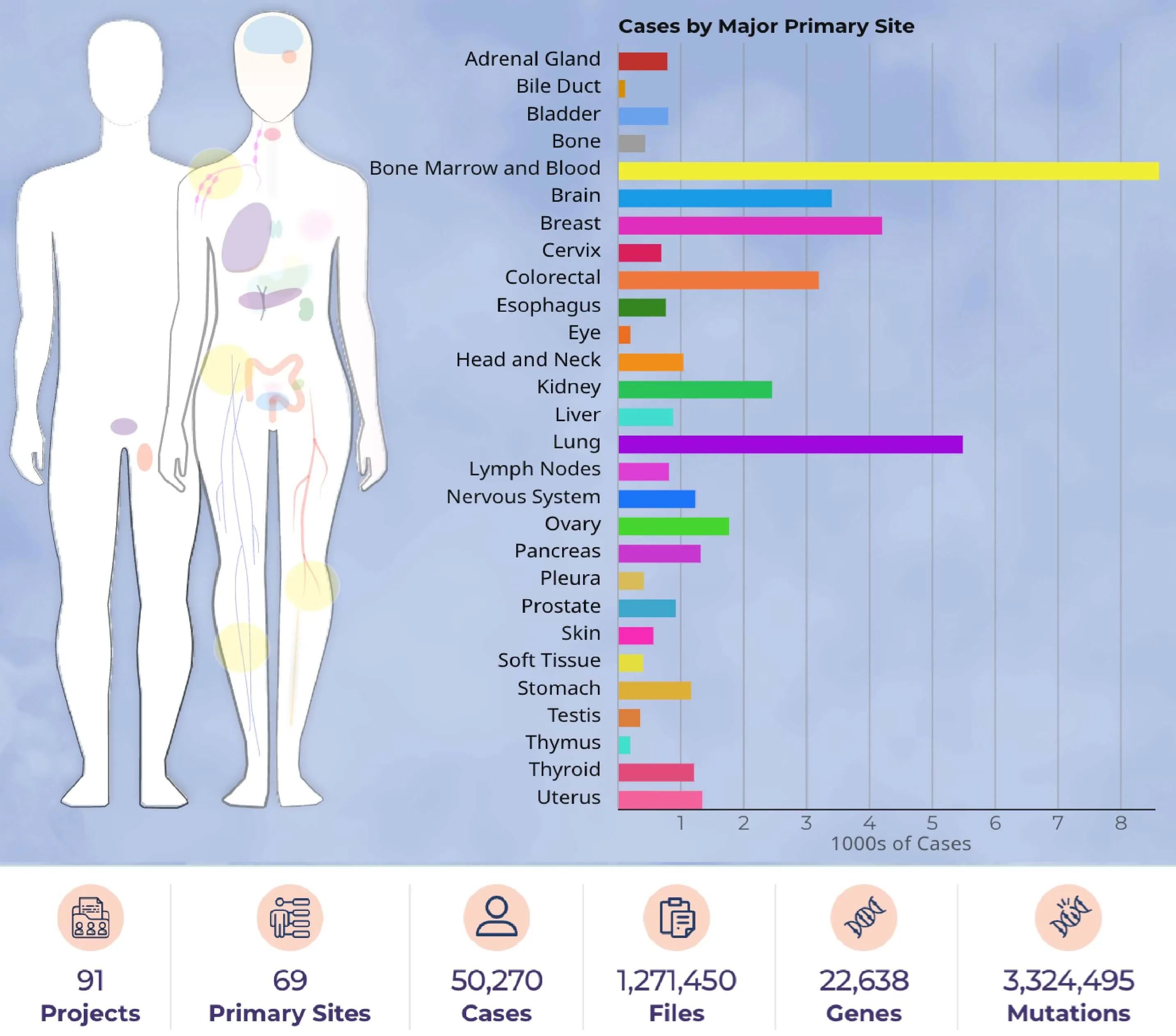
TCGA is a landmark cancer genomics program that molecularly characterized over 20,000 primary cancers and matched normal samples spanning 33 cancer types. This joint effort between NCI and the National Human Genome Research Institute generated over 2.5 petabytes of genomic, epigenomic, transcriptomic, and proteomic data.
TCGA combines multiple omics modalities including whole genome sequencing, RNA sequencing, DNA methylation analysis, protein expression, and comprehensive clinical data. The dataset has fundamentally transformed cancer research by enabling integrated analysis across molecular data types.
2) CLEVR (Compositional Language and Elementary Visual Reasoning)
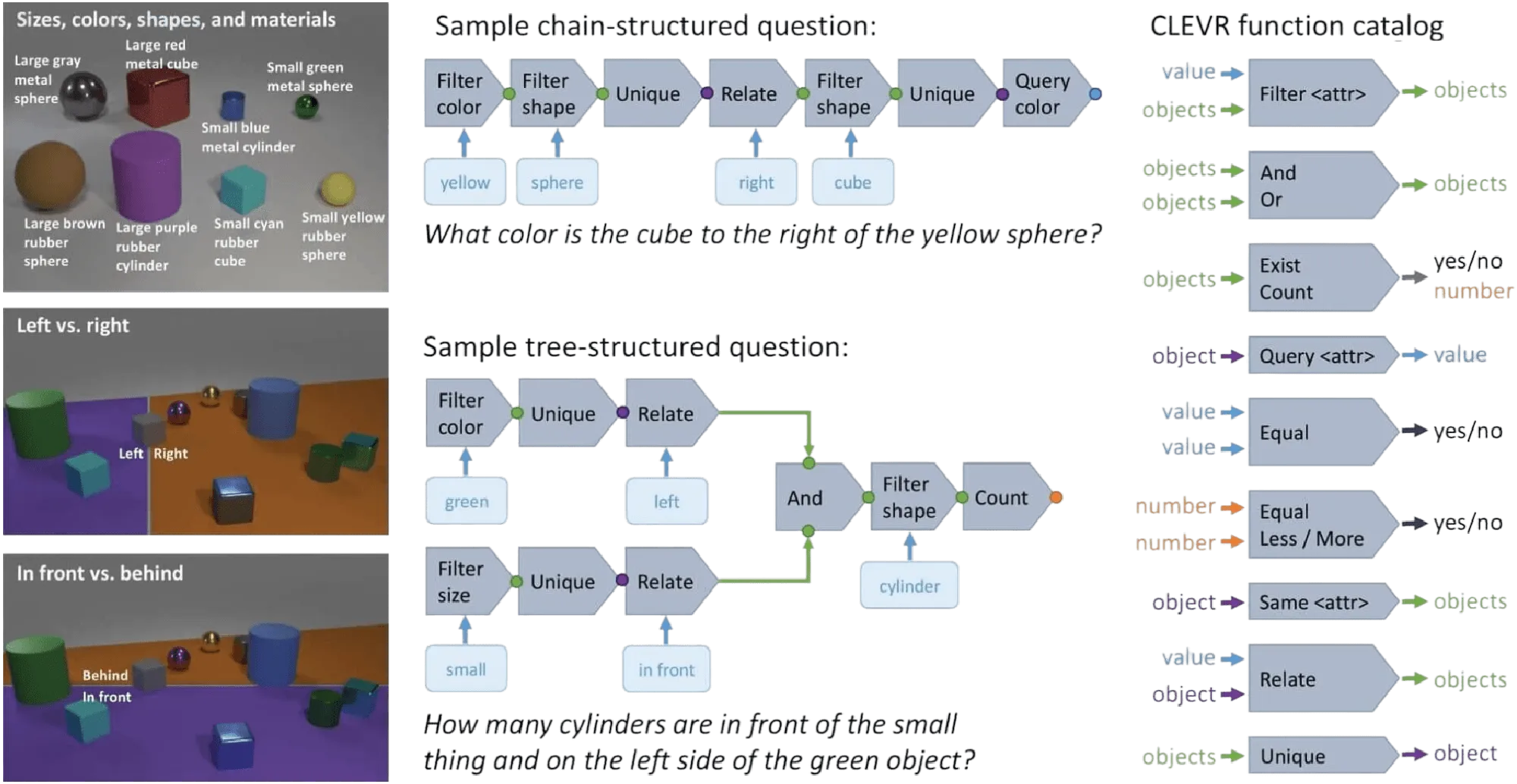
CLEVR is a multimodal dataset designed to evaluate a machine learning model's ability to reason about the physical world using both visual information and natural language. It is a synthetic multimodal dataset created to test AI systems' ability to perform complex reasoning about visual scenes.
CLEVR combines visual and textual modalities through rendered 3D scenes containing various objects with distinct properties like shape, size, color, and material. The textual component consists of questions posed in natural language about these scenes, challenging models to understand relationships and properties.
3) WIT (Wikipedia-based Image Text Dataset)
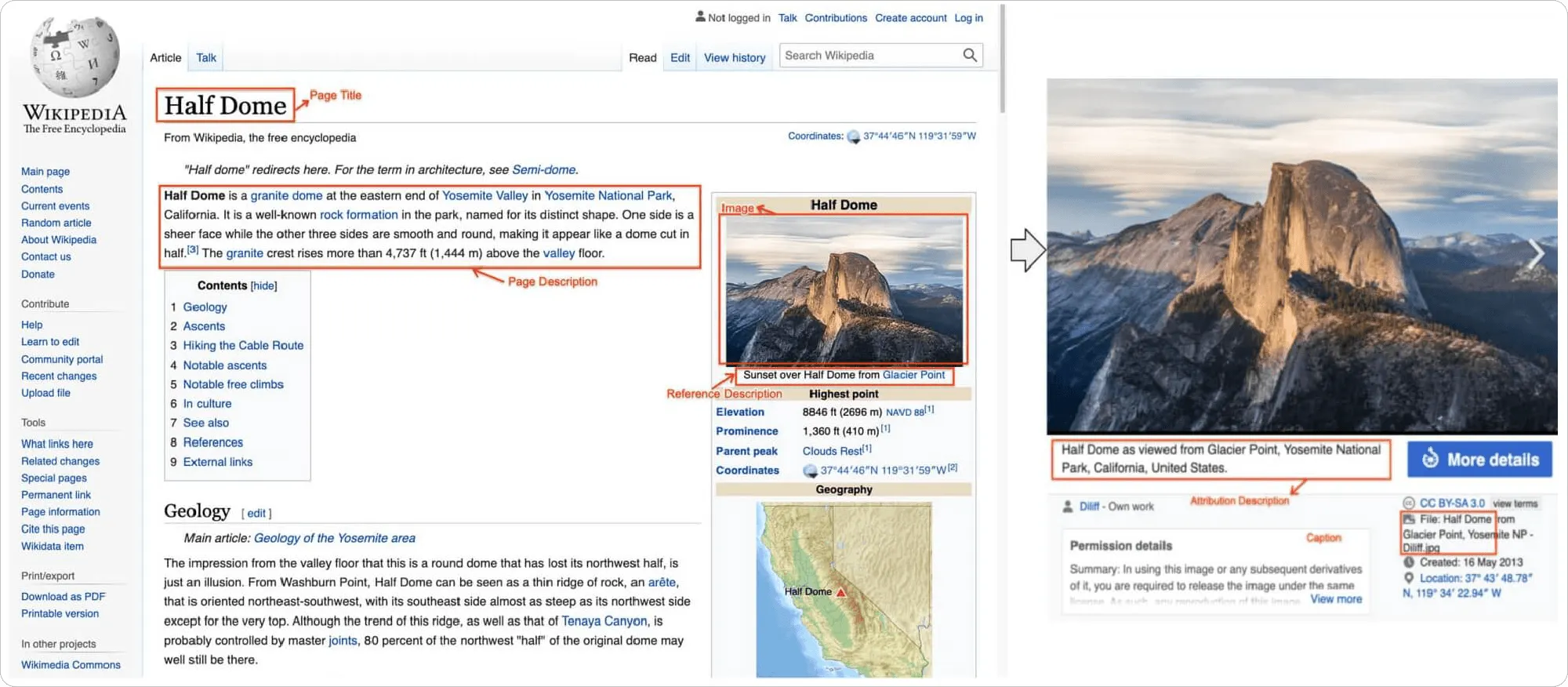
WIT primarily focuses on tasks involving the relationship between images and their textual descriptions. Some key applications are Image-Text Retrieval to retrieve images using text query, Image Captioning to generate captions for unseen images, and Multilingual Learning that can understand and connect images to text descriptions in various languages.
WIT provides a massive collection of image-text pairs extracted from Wikipedia articles across 108 languages, making it invaluable for multilingual multimodal applications.
4) LAION-5B
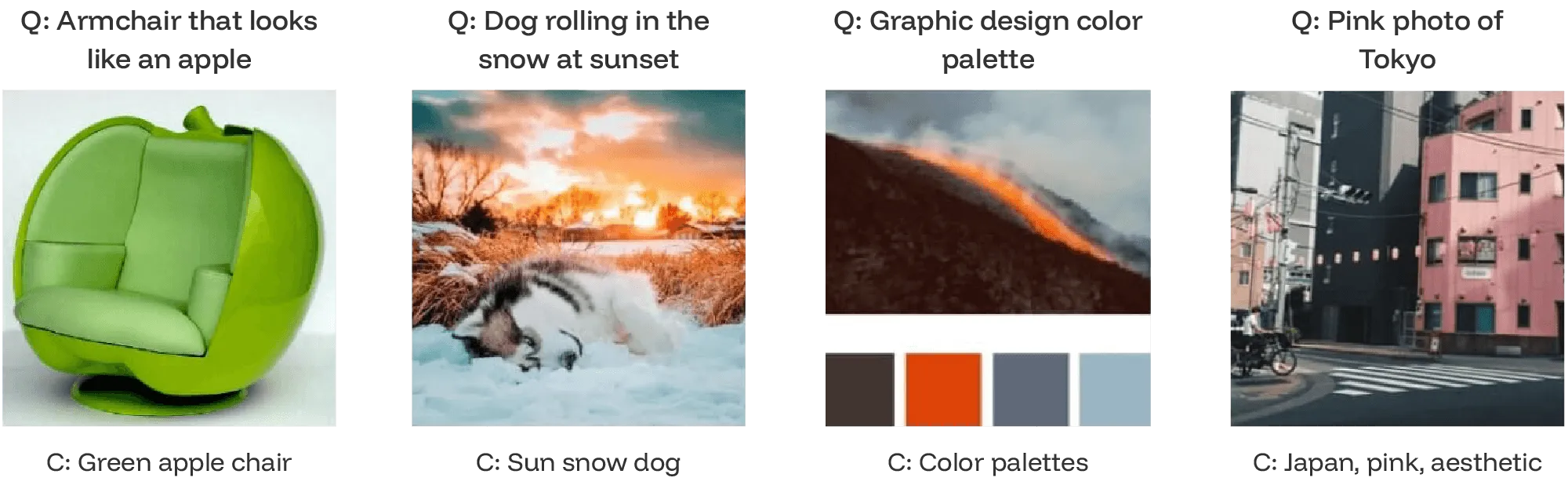
Developed by the LAION non-profit collective, LAION-5B is one of the largest open multimodal datasets available. It contains 5.85 billion CLIP-filtered image-text pairs extracted from the web, with 2.32 billion English pairs and the rest spanning multiple languages.
LAION-5B democratizes access to large-scale data used for training foundation models like CLIP and Stable Diffusion, providing researchers with web-scale multimodal data.
5) MS COCO (Microsoft Common Objects in Context)
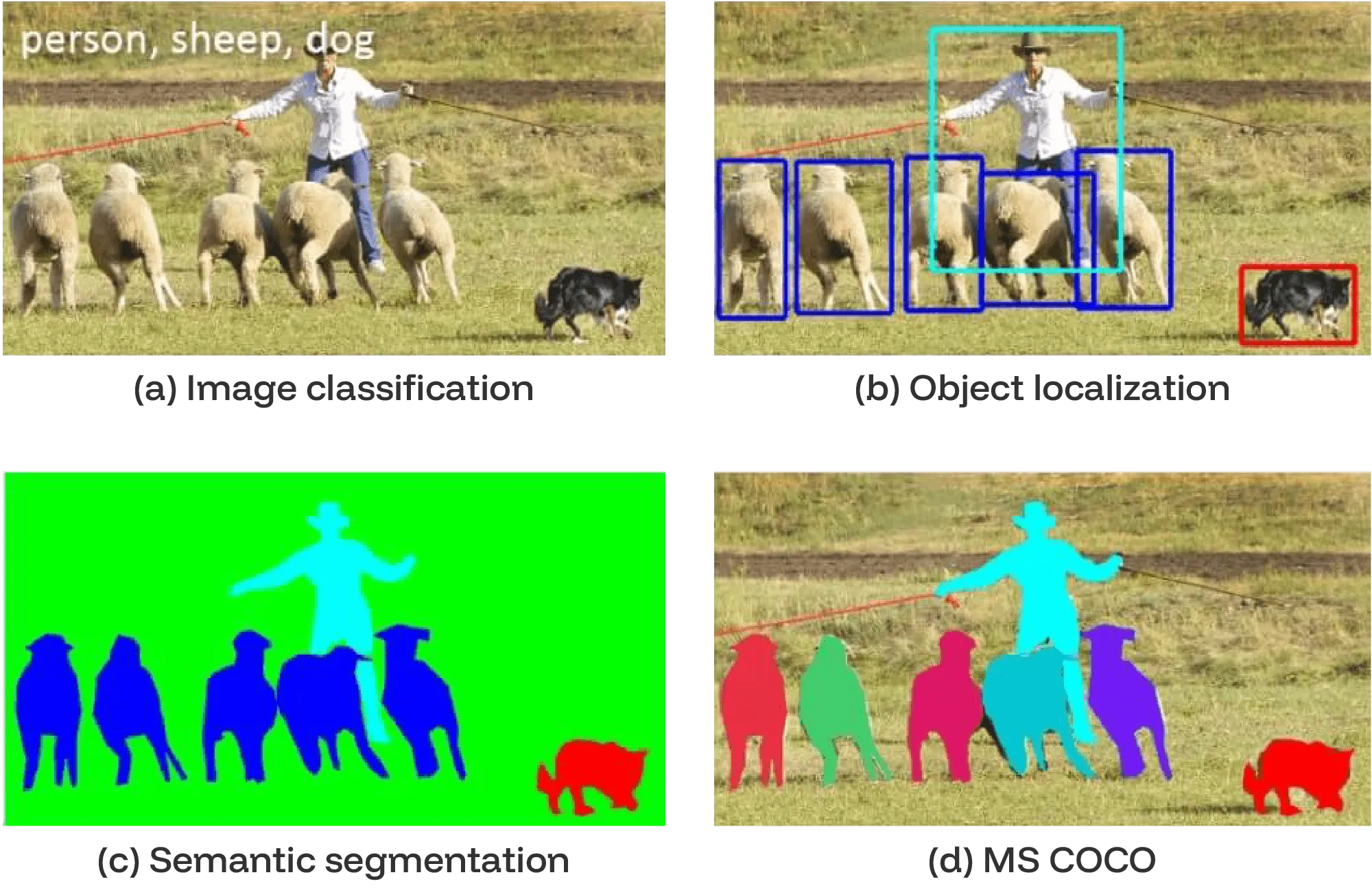
MS COCO provides comprehensive annotations for object detection, segmentation, and captioning tasks. The dataset contains images with multiple objects in natural contexts, accompanied by detailed annotations and captions.
6) VQA (Visual Question Answering)
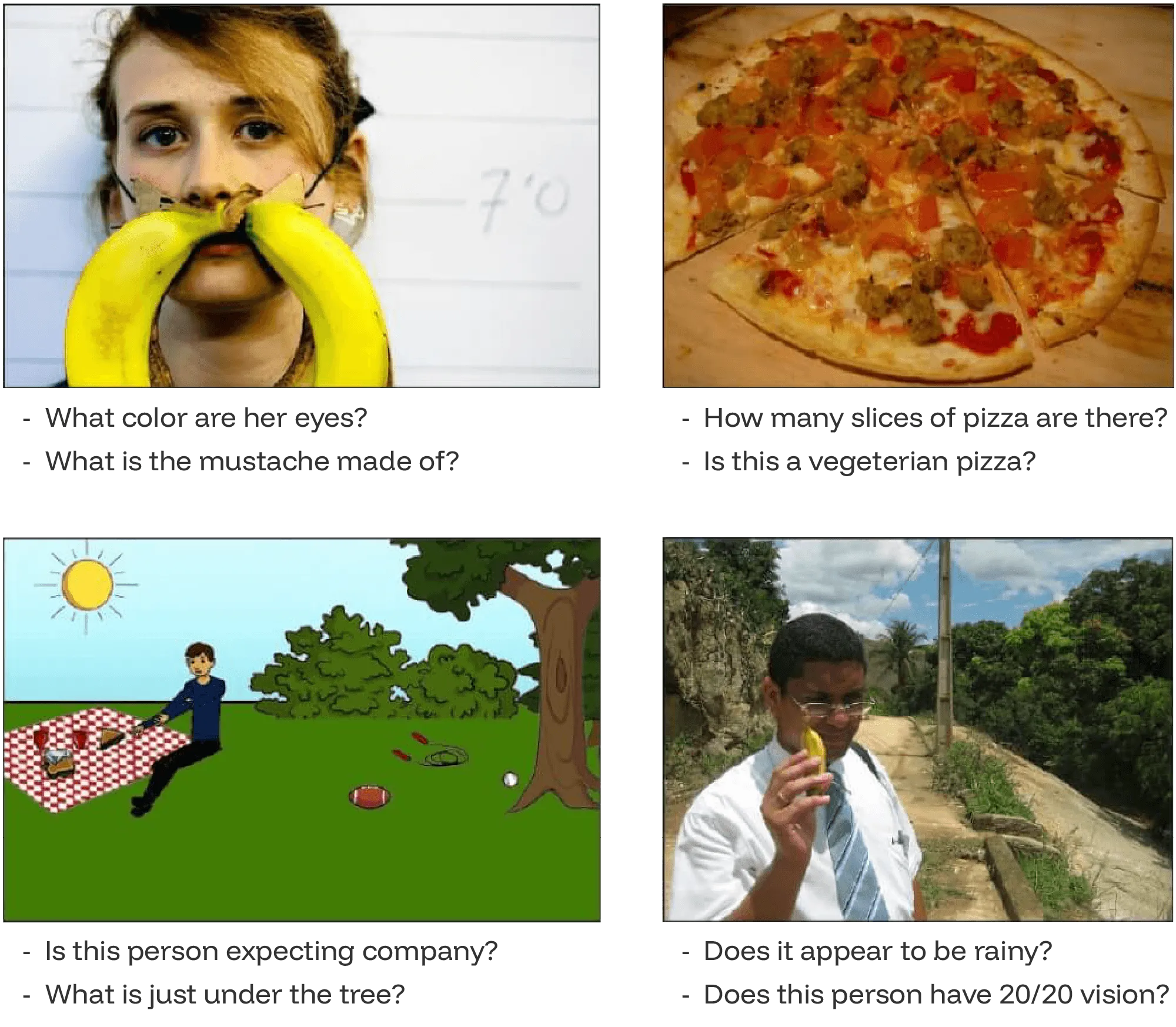
VQA combines visual and textual information to enable AI systems to answer questions about images. The dataset requires models to understand both visual content and natural language questions.
7) MIMIC-IV
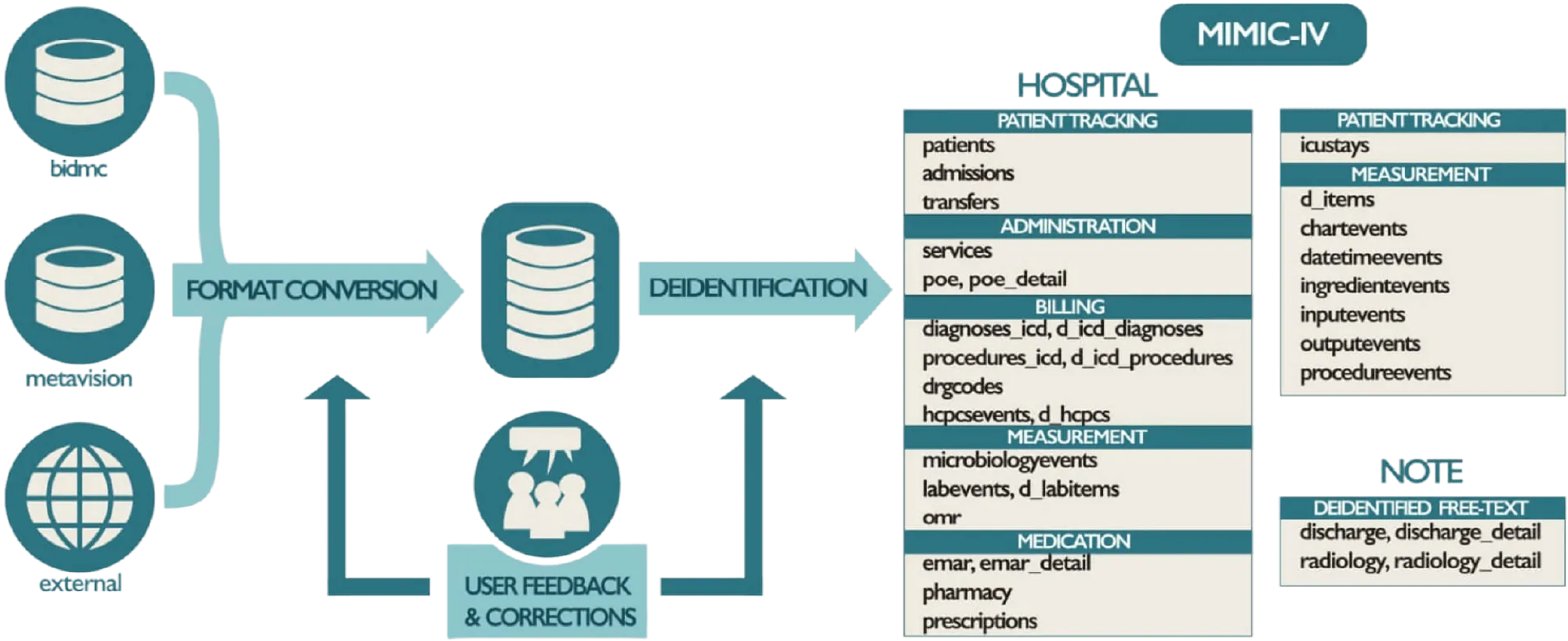
MIMIC-IV provides multimodal medical data including clinical notes, lab results, vital signs, medications, and procedures from intensive care unit patients. The dataset enables comprehensive healthcare AI research by combining structured and unstructured clinical data.
MIMIC-IV represents one of the most complete multimodal clinical datasets available, integrating time-series physiological data with rich textual clinical documentation and structured medical records.
8) UK Biobank
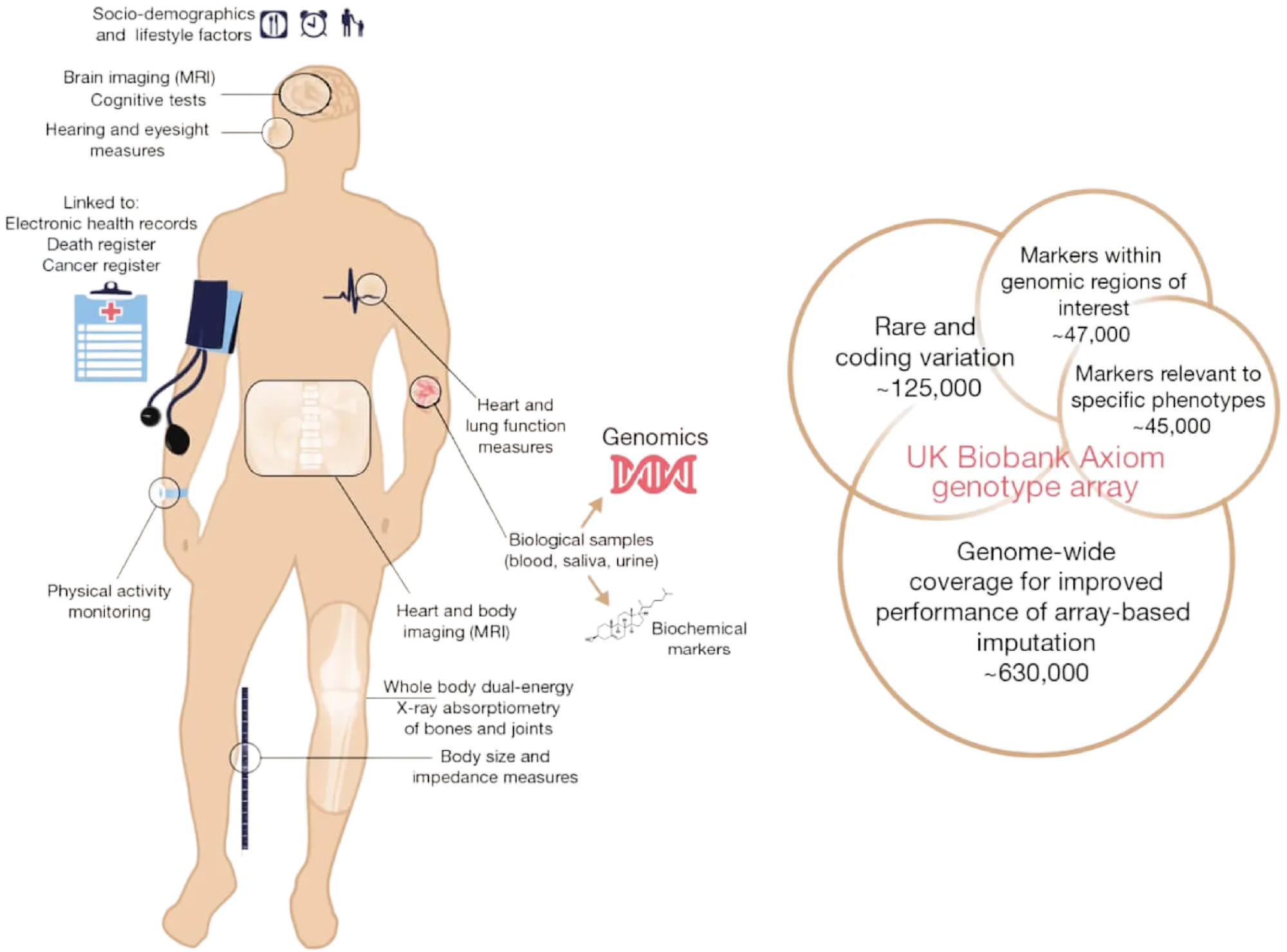
UK Biobank provides genomic data, medical imaging (MRI, retinal), proteomics, clinical records, and lifestyle data from 500,000+ participants with longitudinal follow-up. This massive prospective cohort study combines genetic, environmental, and lifestyle factors with detailed health outcomes.
The dataset includes whole genome sequencing, multi-organ MRI imaging, retinal photography, and comprehensive phenotyping data, making it invaluable for understanding gene-environment interactions in health and disease.
9) Human Cell Atlas (HCA)
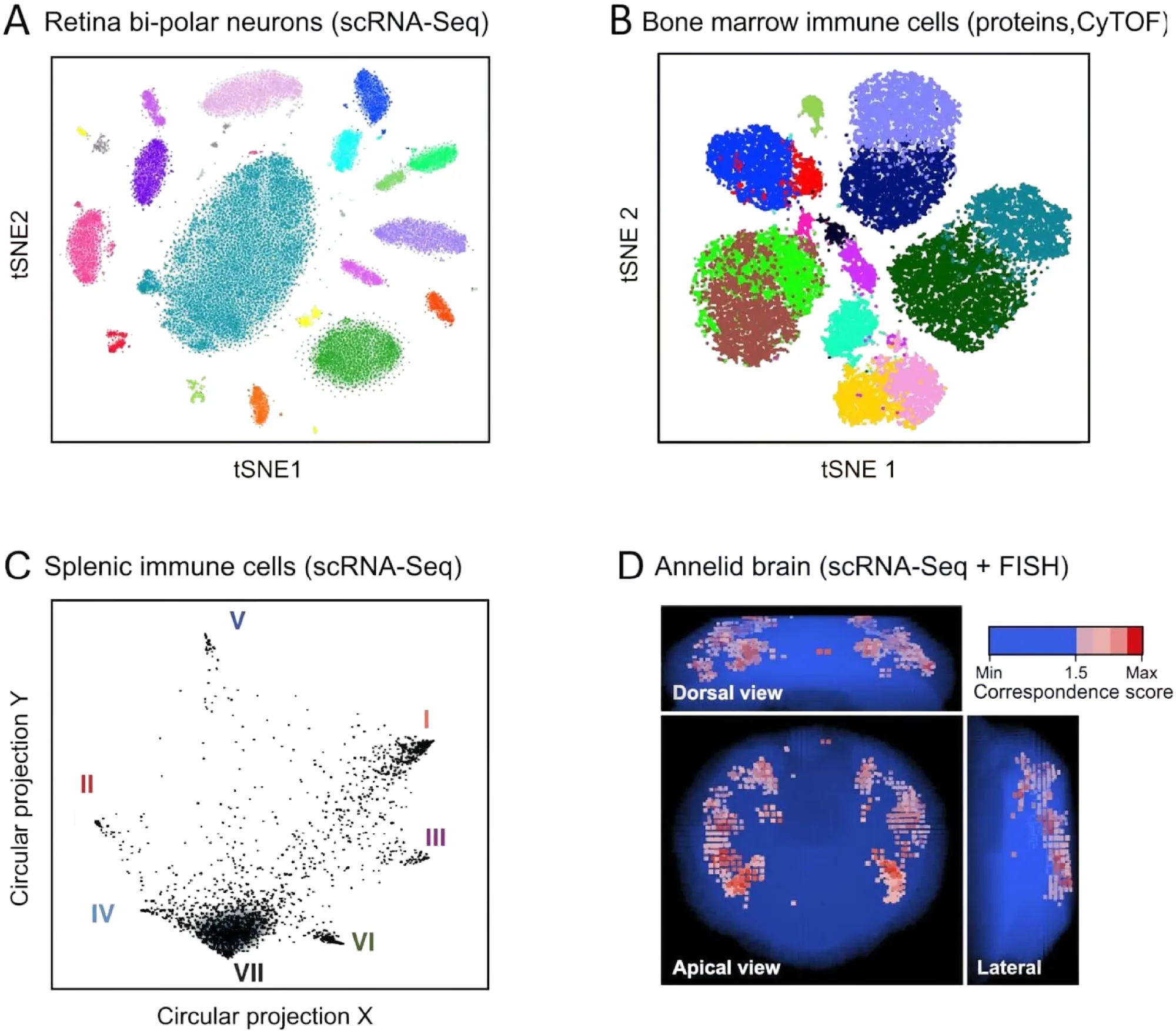
The Human Cell Atlas integrates single-cell RNA sequencing, spatial transcriptomics, proteomics, and imaging data to create comprehensive maps of all human cells. This international collaboration aims to map every cell type in the human body across development, health, and disease.
HCA combines cutting-edge single-cell technologies with spatial information to understand cellular diversity, tissue organization, and developmental processes at unprecedented resolution.
10) TCIA (The Cancer Imaging Archive)
The compiled datasets encompass a broad spectrum of data modalities, such as radiology images (CT, MRI, PET), pathology slides, genomic data, and clinical records. This multimodal nature enables the integration of different data types to capture the intricacies of cancer.
TCIA provides medical imaging data paired with clinical information for cancer research and diagnosis development.
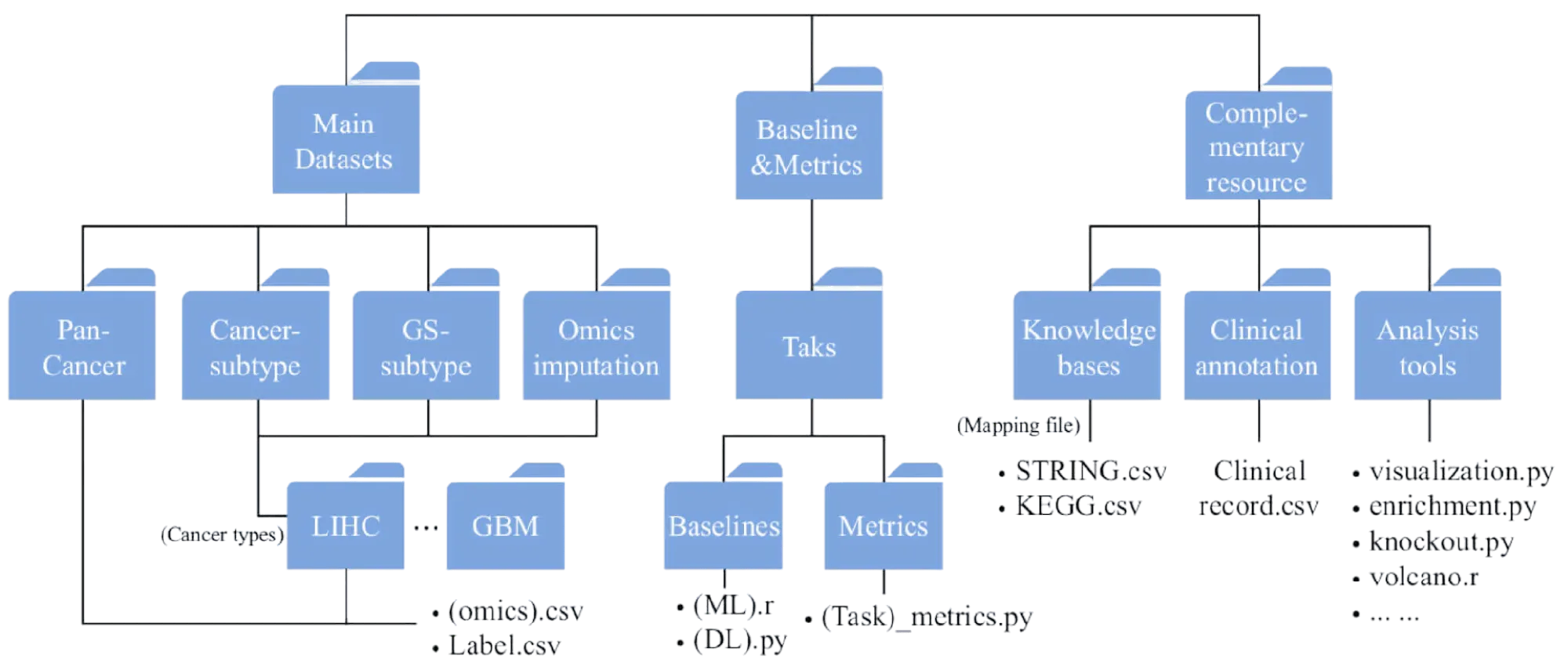
11) MLOmics
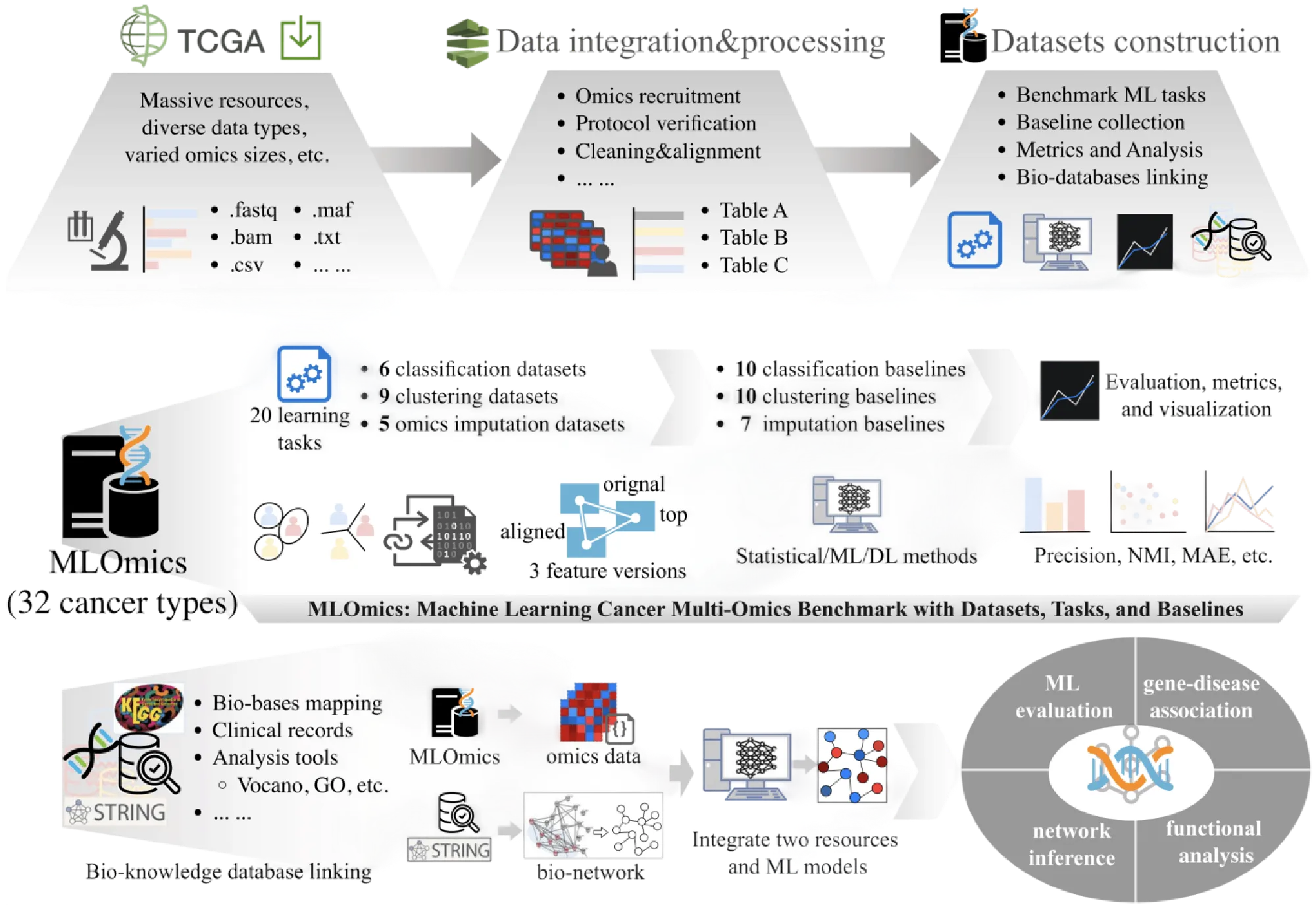
MLOmics is an open cancer multi-omics database specifically designed for machine learning applications. The dataset contains genomic, transcriptomic, proteomic, and clinical data from cancer patients, with extensive preprocessing and baseline models for immediate use in ML workflows.
MLOmics addresses the gap between raw omics data and machine learning-ready datasets by providing standardized, well-annotated multimodal cancer data with comprehensive baseline evaluations.
12) Kinetics-700
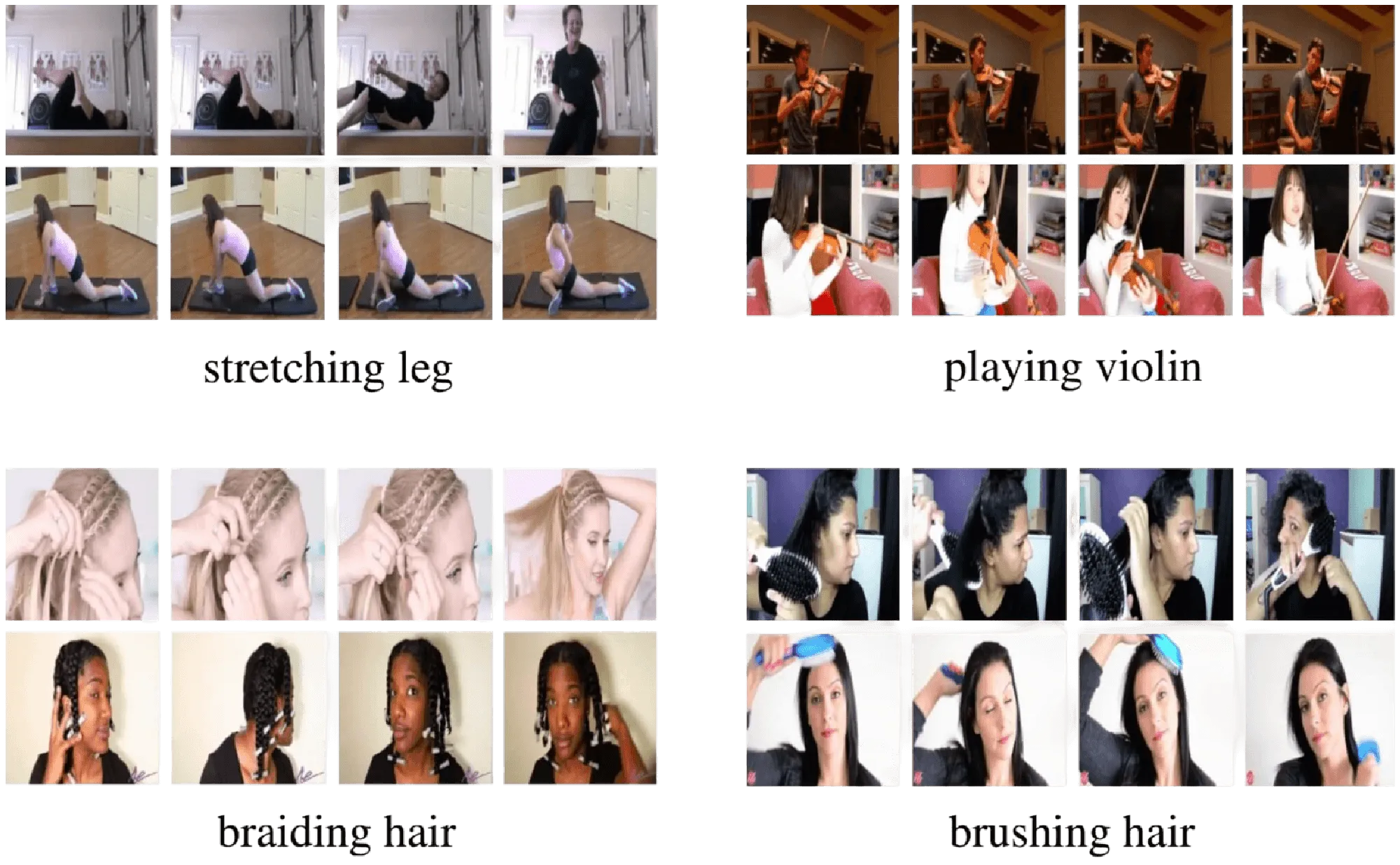
Kinetics-700 contains human action videos across 700 action categories, providing rich temporal visual data for action recognition and video understanding research.
13) Flickr30k
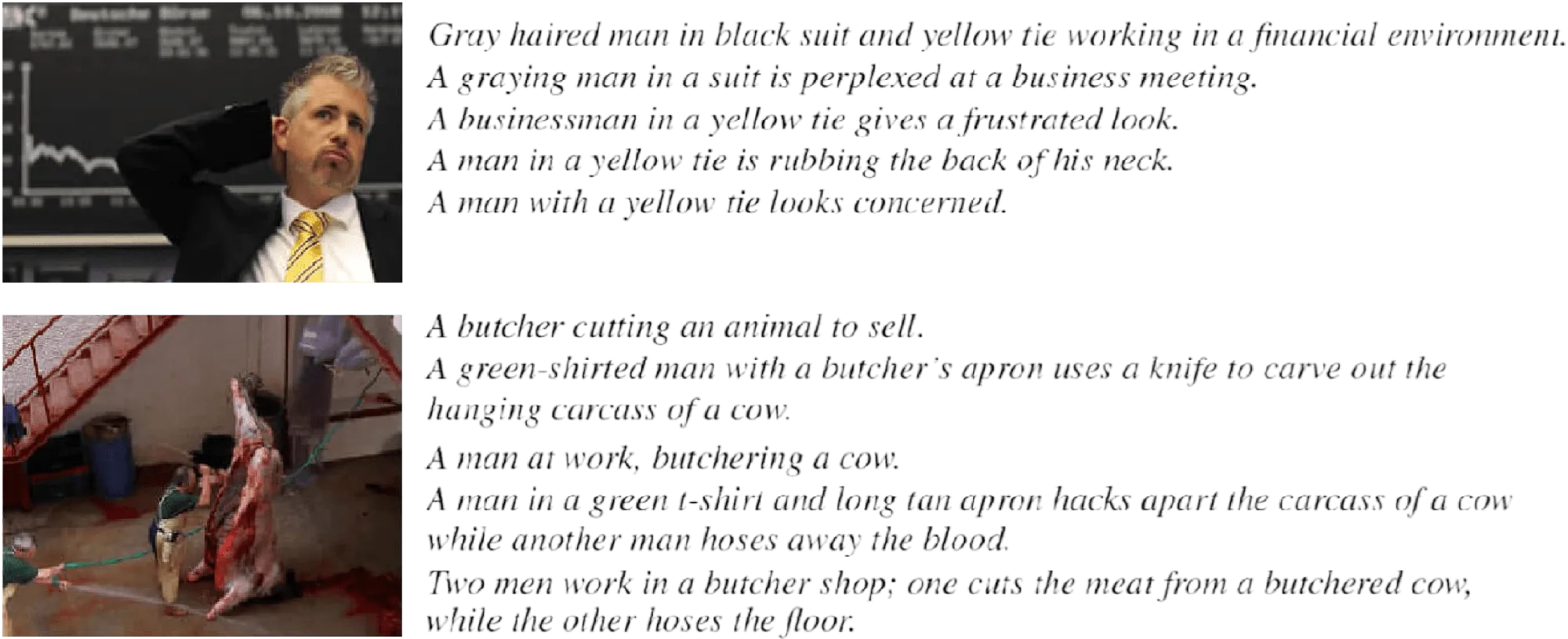
Flickr30k contains images from Flickr paired with human-written captions, providing high-quality image-text associations for multimodal learning.
14) ENCODE
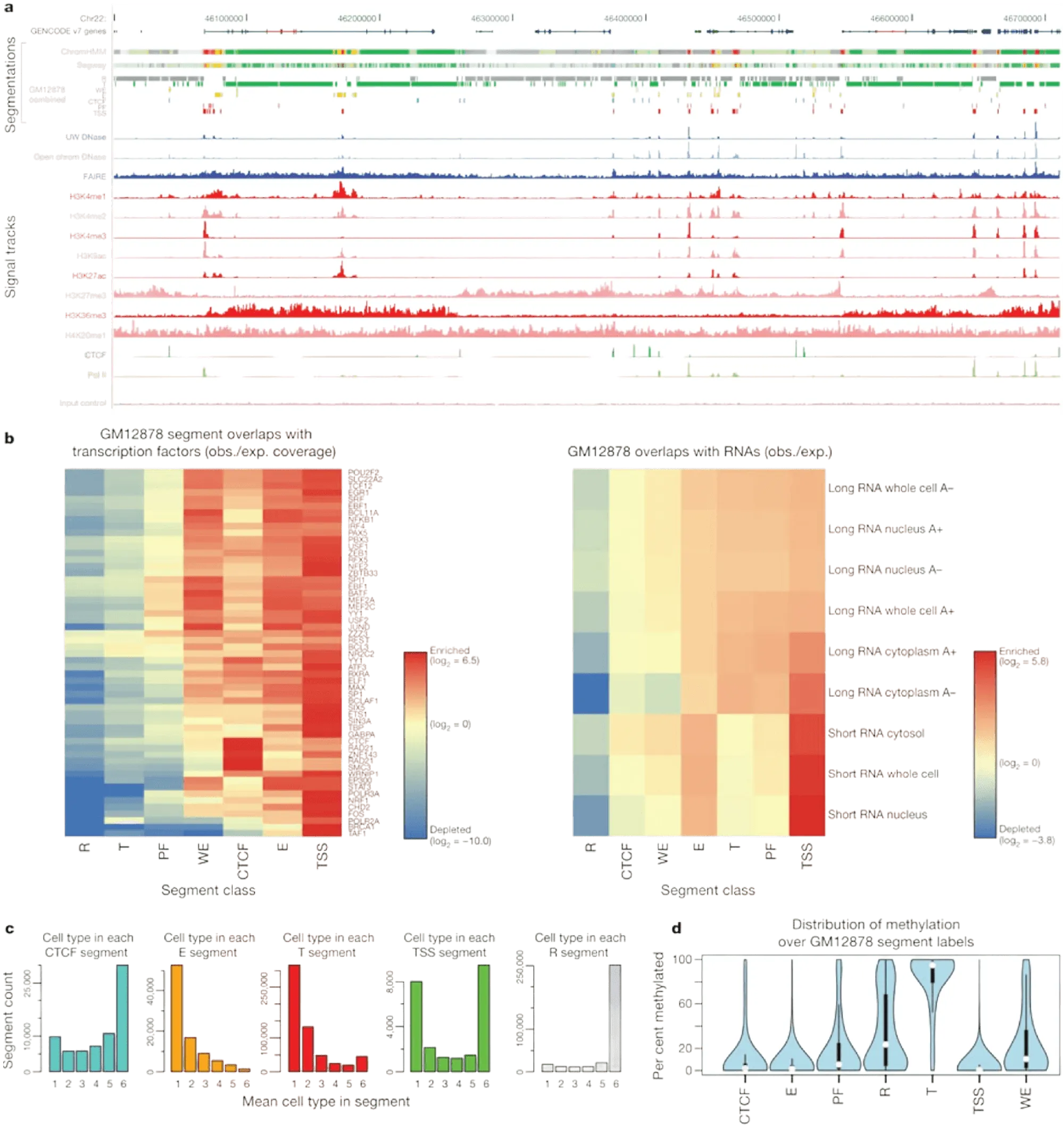
ENCODE provides comprehensive data on gene regulation through ChIP-seq, RNA-seq, chromatin accessibility assays, and histone modification mapping across cell types and conditions. The project aims to identify all functional elements in the human genome.
ENCODE integrates multiple genomic assays to create comprehensive maps of gene regulatory networks, combining transcriptional, epigenetic, and chromatin accessibility data.
15) Allen Brain Atlas
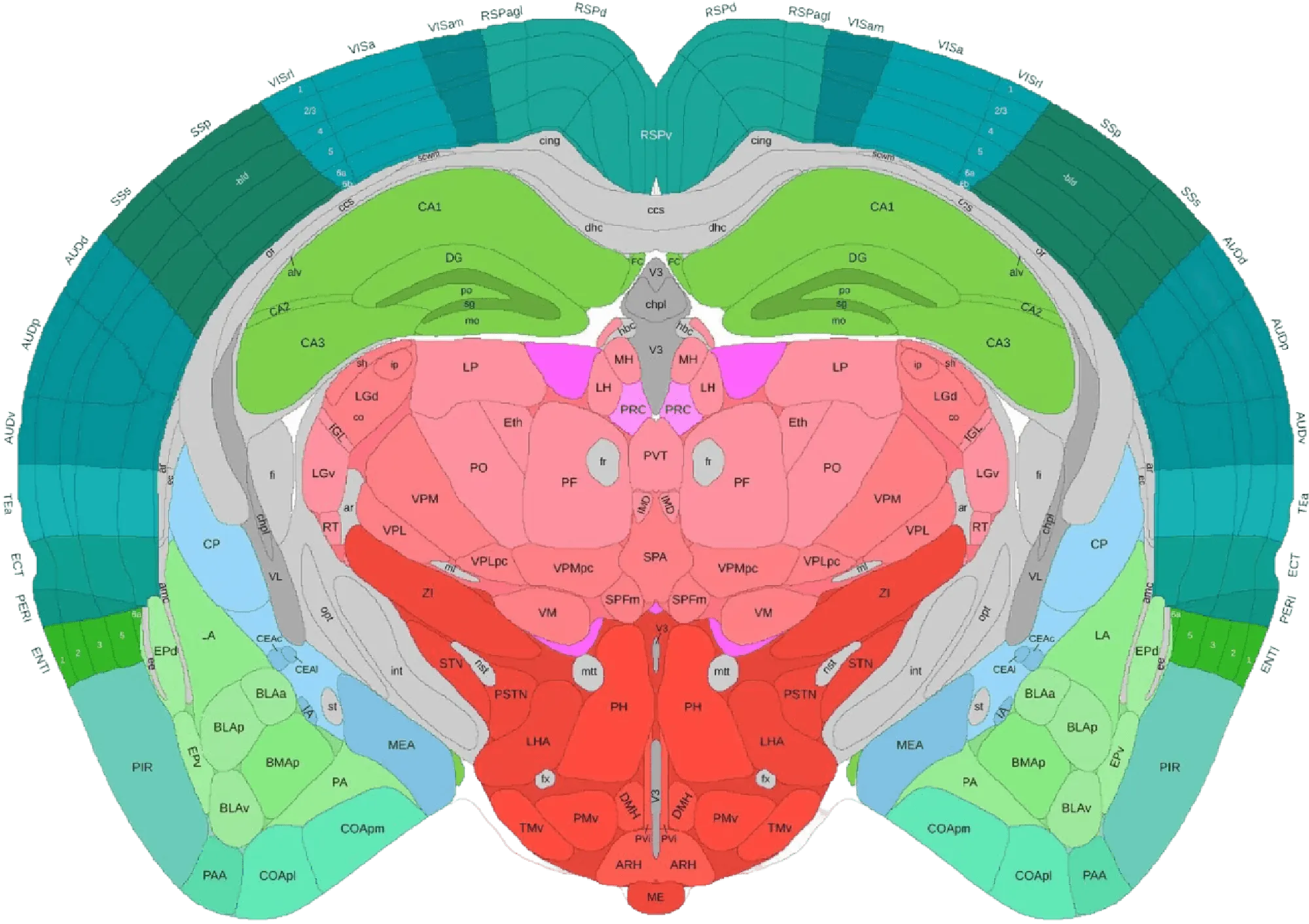
The Allen Brain Atlas combines gene expression data, neuroimaging, connectivity mapping, and cell type characterization across brain regions and developmental stages. This comprehensive resource provides multimodal data for understanding brain structure and function.
The atlas integrates anatomical, molecular, and functional data to create detailed maps of brain organization across species and developmental time points.
Are there free multimodal datasets?
Yes, there are numerous free multimodal datasets available for research and development purposes. Many prominent datasets in this guide are freely accessible, including:
- TCGA - Available through open access portals
- CLEVR - Released under BSD license
- Human Cell Atlas - Open access with data use agreements
Free datasets may have limitations such as restricted commercial use, academic-only licensing, or requirements for attribution. Researchers can find free datasets through academic institutions, government organizations, and open-source communities.
How can you find multimodal datasets?
You can find multimodal datasets through specialized repositories, academic institutions, and research organizations.
Academic repositories
Papers with Code, Google Dataset Search, and university research labs
Government sources
NIH data repositories, cancer genomics portals, and national research initiatives
Industry platforms
Kaggle, Hugging Face, and company research divisions
Specialized collections
Medical imaging archives, genomics databases, and domain-specific repositories
How can you analyze multimodal datasets?
To analyze multimodal datasets, you need specialized platforms and tools capable of handling heterogeneous data types simultaneously. Traditional database systems struggle with the complexity and scale of multimodal data, particularly in life sciences where datasets may include genomics, imaging, and clinical data.
Modern multimodal analysis requires platforms that can efficiently store, index, and query across different data modalities. These systems must handle the temporal synchronization between modalities and provide consistent access across disparate data types.
Tile.ai provides a comprehensive platform for multimodal data analysis as the Enterprise AI Data Substrate, a governed layer that sits alongside the data and applications you already use. The platform enables organizations to discover, query, and analyze complex multimodal datasets efficiently where they already live, supporting everything from medical imaging combined with genomic data to single-cell multiomics with spatial information.
For organizations looking to implement multimodal data analysis capabilities, Tile.ai works alongside the platforms already in place rather than replacing them. Request access to see your own data queried where it sits, or read the multimodal data platform buyer's guide if you are still comparing options.
Which industries use multimodal datasets?
Multimodal datasets are transforming industries by enabling more comprehensive analysis and decision-making across sectors.
- Academic research: Universities combine imaging, genomics, and clinical data for breakthrough medical discoveries
- Biotechnology: Single-cell multiomics integrates genomics, proteomics, and spatial data for understanding cellular biology
- Diagnostics: Medical device manufacturers combine imaging data with AI models for automated diagnosis
- Healthcare: Multimodal datasets can combine medical imaging, genomic data, patient records, and clinical notes for improved diagnosis and treatment planning. This multimodal approach enables the integration of different data types to capture the intricacies of cancer and other complex medical conditions.
- Healthcare systems: Hospitals integrate electronic health records, medical imaging, and laboratory data for clinical decision support
- Pharmaceutical: Drug discovery combines molecular data, imaging, genomics, and clinical trial data for precision medicine approaches
Additional industries adopting multimodal approaches include agriculture (combining satellite imagery with genomics data for crop improvement), environmental science (integrating sensor data with imaging for climate research), and materials science (combining microscopy with molecular data for material discovery).
Multimodal datasets enable these industries to build AI systems that mirror human-like understanding by processing information from multiple sources simultaneously. Organizations implementing multimodal approaches often see significant improvements in accuracy and insights compared to single-modality systems.
Ready to put multimodal data to work in your organization? Tile.ai makes multi-omics, research, clinical and manufacturing data AI-ready — in place, in the systems it already lives in. Request access: point us to a data source and a service, and we'll have your agents querying them in place.